Assistive Technology NZ
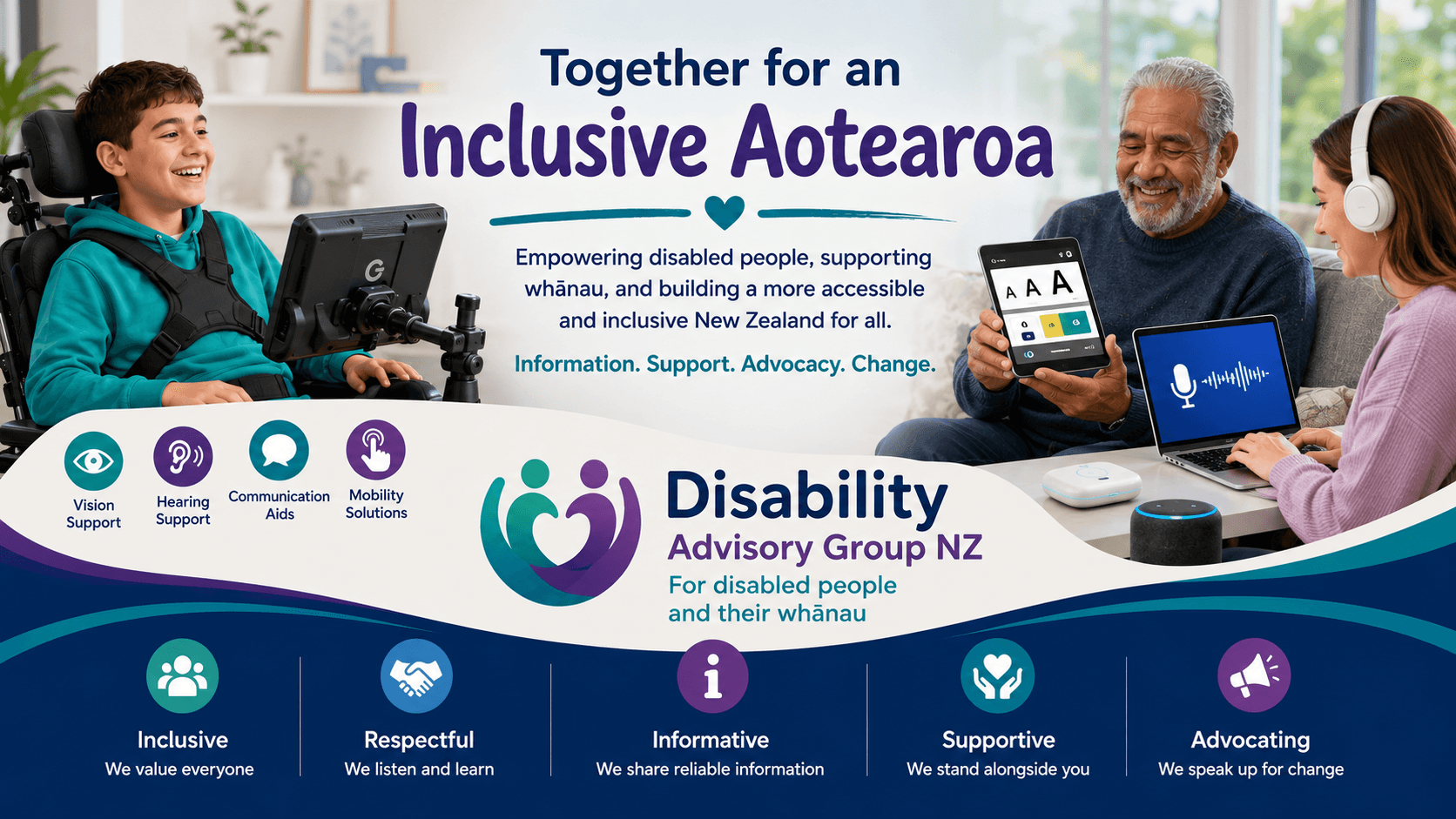
Assistive technology can make everyday life more accessible, independent and inclusive for disabled people. It includes tools, devices, software, equipment and systems that help people communicate, move, learn, work, play and participate in their communities.
For some people, assistive technology may be a wheelchair, walking frame, hearing aid, communication device or modified vehicle. For others, it may be screen-reading software, speech-to-text tools, sensory supports, adaptive switches, smart home technology or learning apps.
Technology That Supports Independence
The right assistive technology can reduce barriers and give people more choice and control. It may support personal care, mobility, communication, education, employment, recreation, safety and connection with others.
Assistive technology is not about replacing people or removing support. It is about giving disabled people better access to the tools they need to live, learn and participate in ways that work for them.
Communication and Learning Tools
Many disabled people use technology to support communication and learning. This may include augmentative and alternative communication devices, symbol-based apps, text-to-speech tools, speech recognition software, audiobooks, digital planners and accessible learning platforms.
These tools can be especially valuable for people with communication disabilities, dyslexia, autism, intellectual disability, brain injury, sensory processing differences or physical disabilities that make writing, typing or speaking difficult.
Mobility, Access and Daily Living
Assistive technology can also include mobility and access equipment such as wheelchairs, scooters, hoists, ramps, transfer aids, seating systems, bathroom equipment, pressure care products and home modifications.
For many people, these supports are essential. They can make the difference between being able to leave home, attend school, take part in work, join community activities or complete daily tasks safely.
Digital Accessibility and Smart Technology
Digital tools are becoming an important part of disability support. Smartphones, tablets, smart speakers, environmental controls, reminder apps and accessible software can help people manage routines, communicate, control their environment and stay connected.
As technology develops, it is important that accessibility is built in from the beginning. Inclusive design benefits disabled people first, but it often makes products easier for everyone to use.
Finding the Right Assistive Technology
Choosing the right technology can take time. What works well for one person may not work for another. It is important to consider the person’s goals, environment, abilities, support network, comfort, safety and long-term needs.
Families, whānau, therapists, educators, support workers and disabled people themselves all have valuable knowledge to contribute. Good assistive technology decisions should centre the person who will be using the equipment or tool.
Latest Assistive Technology News
This page will share practical information, updates and news about assistive technology in New Zealand and overseas. Topics may include new devices, accessibility tools, funding pathways, inclusive design, communication technology, sensory supports and digital accessibility.
Our goal is to help disabled people, families, whānau, carers, educators and professionals discover tools that may support greater independence, inclusion and participation.